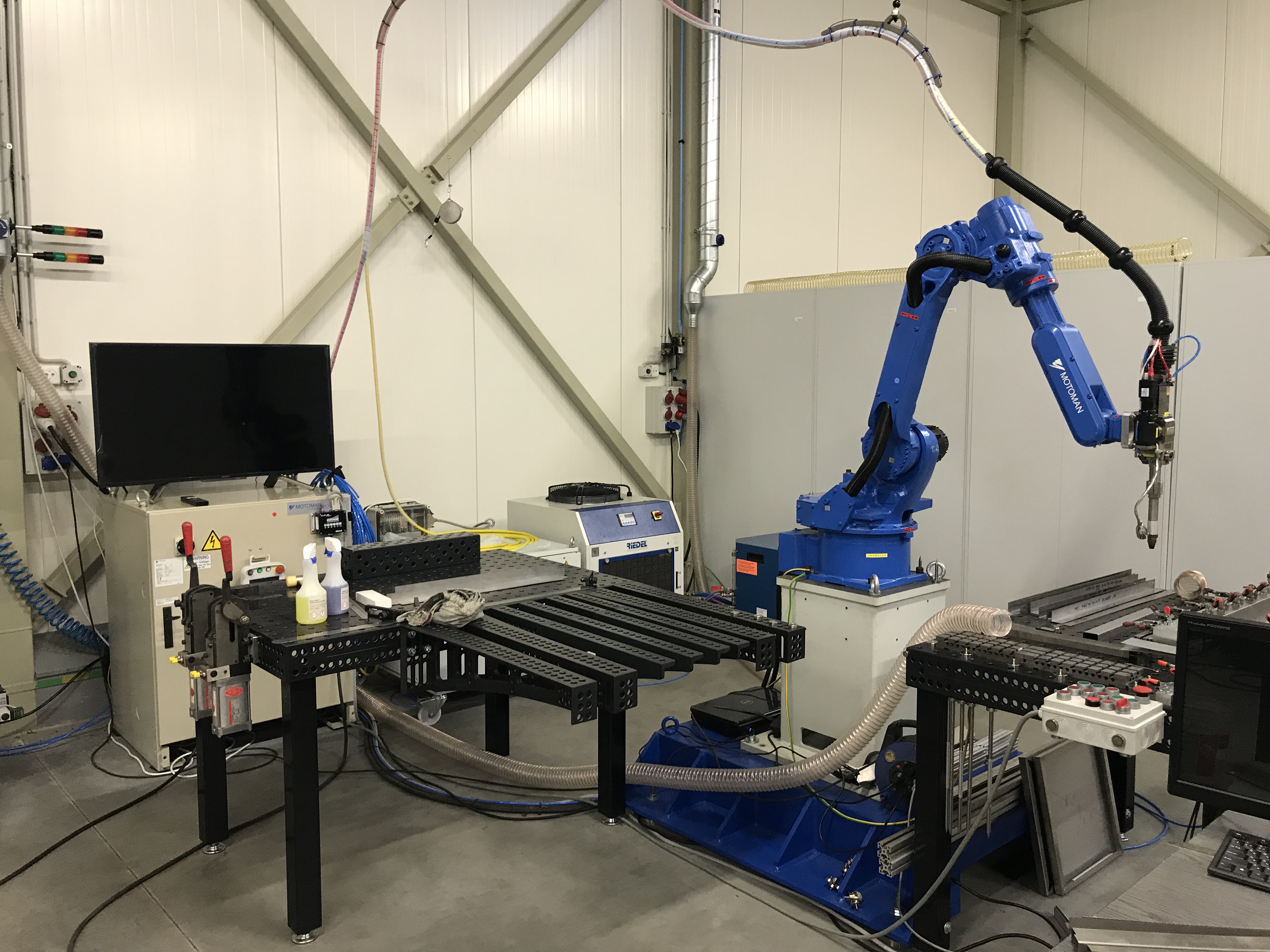
Laser welding. Many different methods of metal welding exist, however the laser welding is the most precise. Source energy is concentrate to a precise surface area. Therefore this welding method features a thin welding seam. No mechanical treatment, polishing is require. Or the requirement is minimum, compared with other welding methods. This welding method features several significant advantages. Inconsiderable deformation of the metal and high welding speed. Up to 5-20 times faster than that of the TIG welding method.
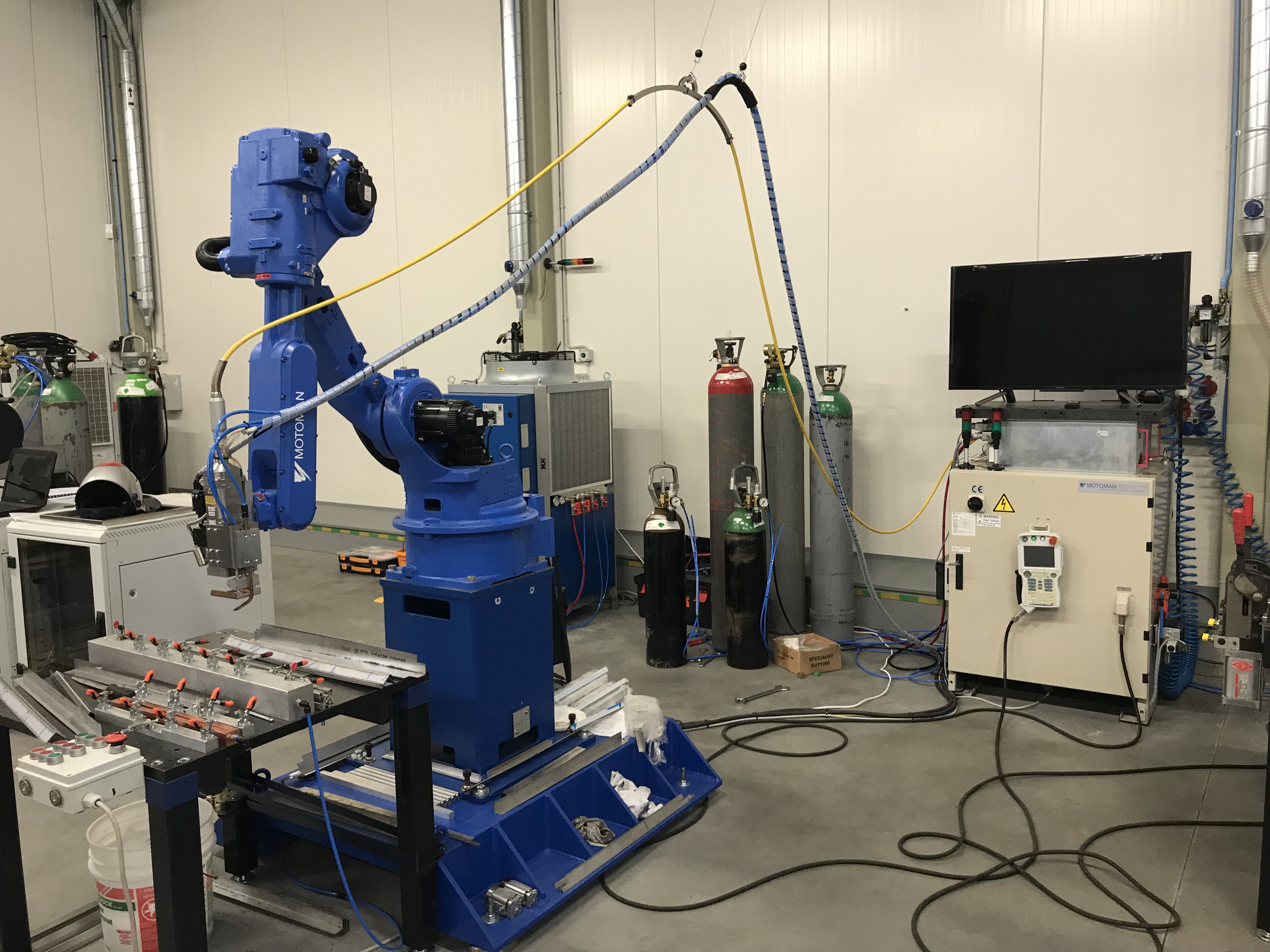
According to the needs, the welding may be perform with or without additional metal.
Connecting parts of the welded pieces should be as close to each other as possible, without gaps or with minor gaps, otherwise some of the energy required for welding may be lost as a result of the gap. Thus impairing the final quality of the resulting welding seam; moreover, as a result of varying diameter of the gap, the welding seam may alter.
As the processed surface area is small. It is very sensitive to the cleanliness of the welded surfaces; impurities located on the surface of the metal (e.g. oil, soot, dirt, etc.). Affected by the laser ray, burn and react with the welding gas, causing a negative effect to the welding seam.
Welding of steel sheets from the protective film side yields quite satisfying results, that are impossible to achieve by welding with the film located at the bottom.
Therefore adequate preparation and accuracy are needed for good welding results. Otherwise, as a result of careless positioning of pieces or dirty surfaces. The welding process will not yield satisfactory results, not to blame the laser system.
Despite of the above mentioned, the welding results (the quality of welding seams, the welding speed, cost-efficiency, low maintenance costs, infrequent maintenance requirements and low welding costs) of the laser system products definitely feature a high potential, and are more and more accepted and valued by the industrial producers, especially in the field of thin stainless sheet steel processing (medical industry, professional restaurant facilities, food industry).